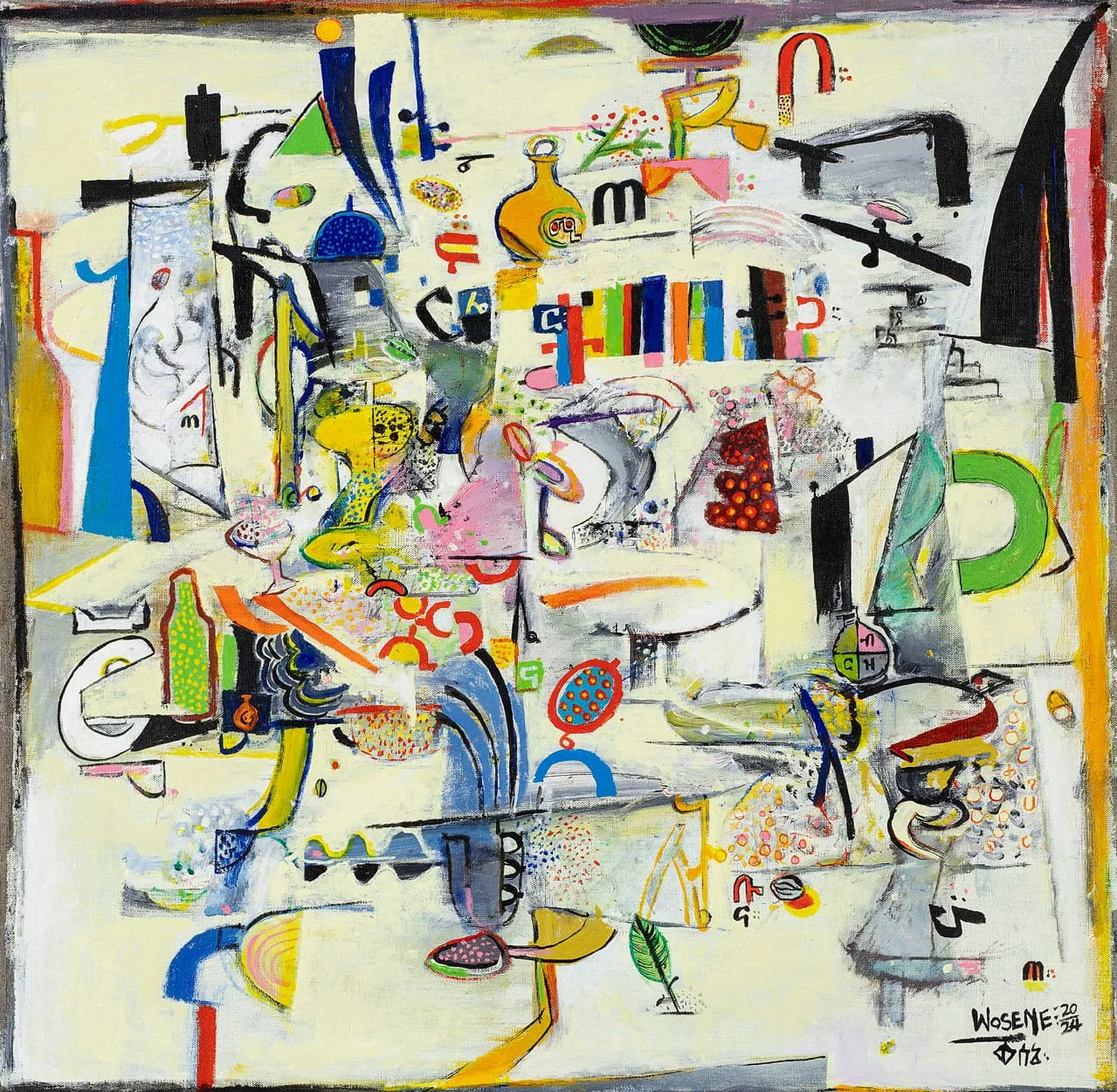
The Jazz Garden, 2024, acrylic on linen, 28” x 28” (71 x 71 cm) Collection of the artist
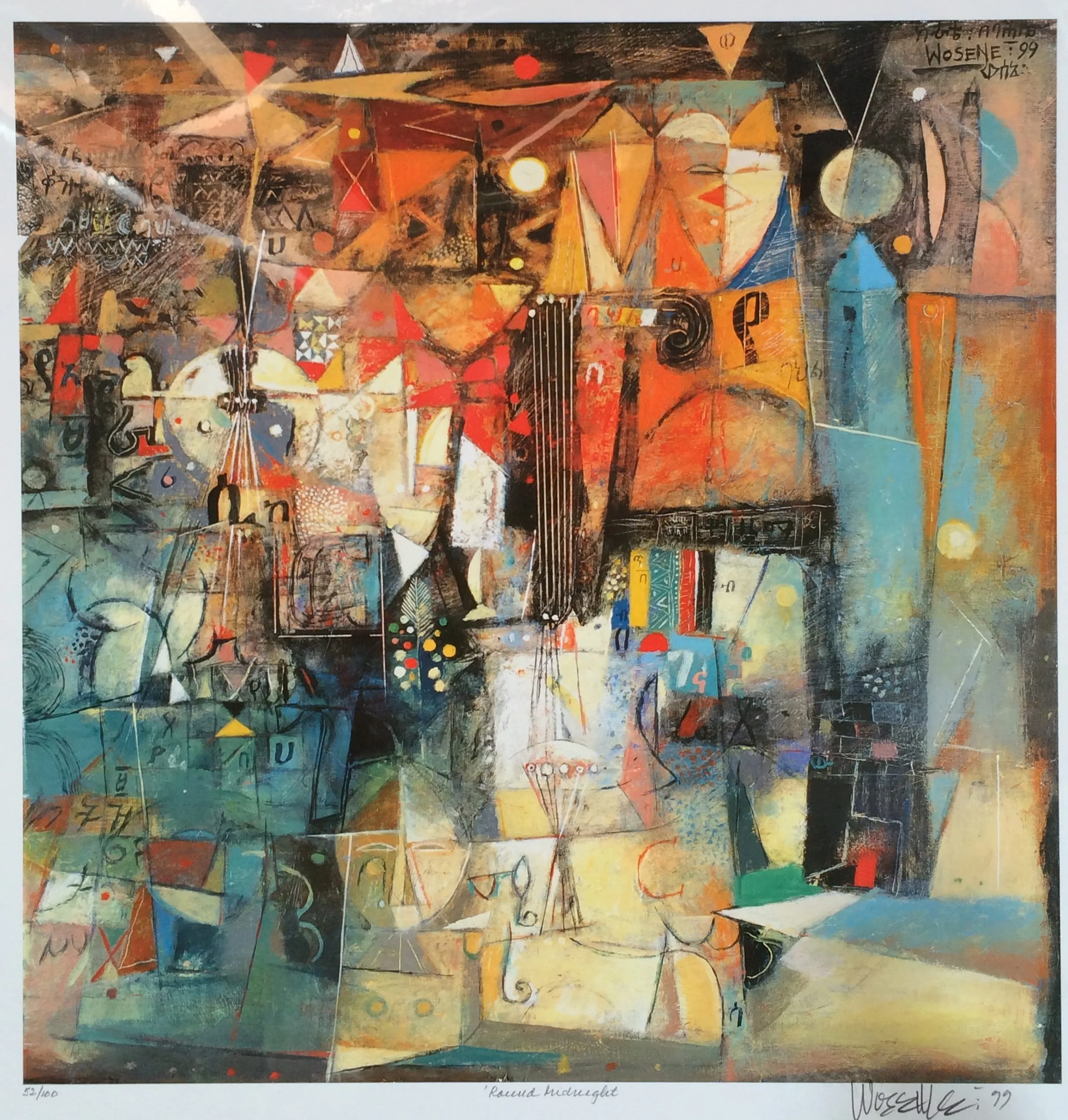
‘Round Midnight, 1999, acrylic on canvas, Private collection
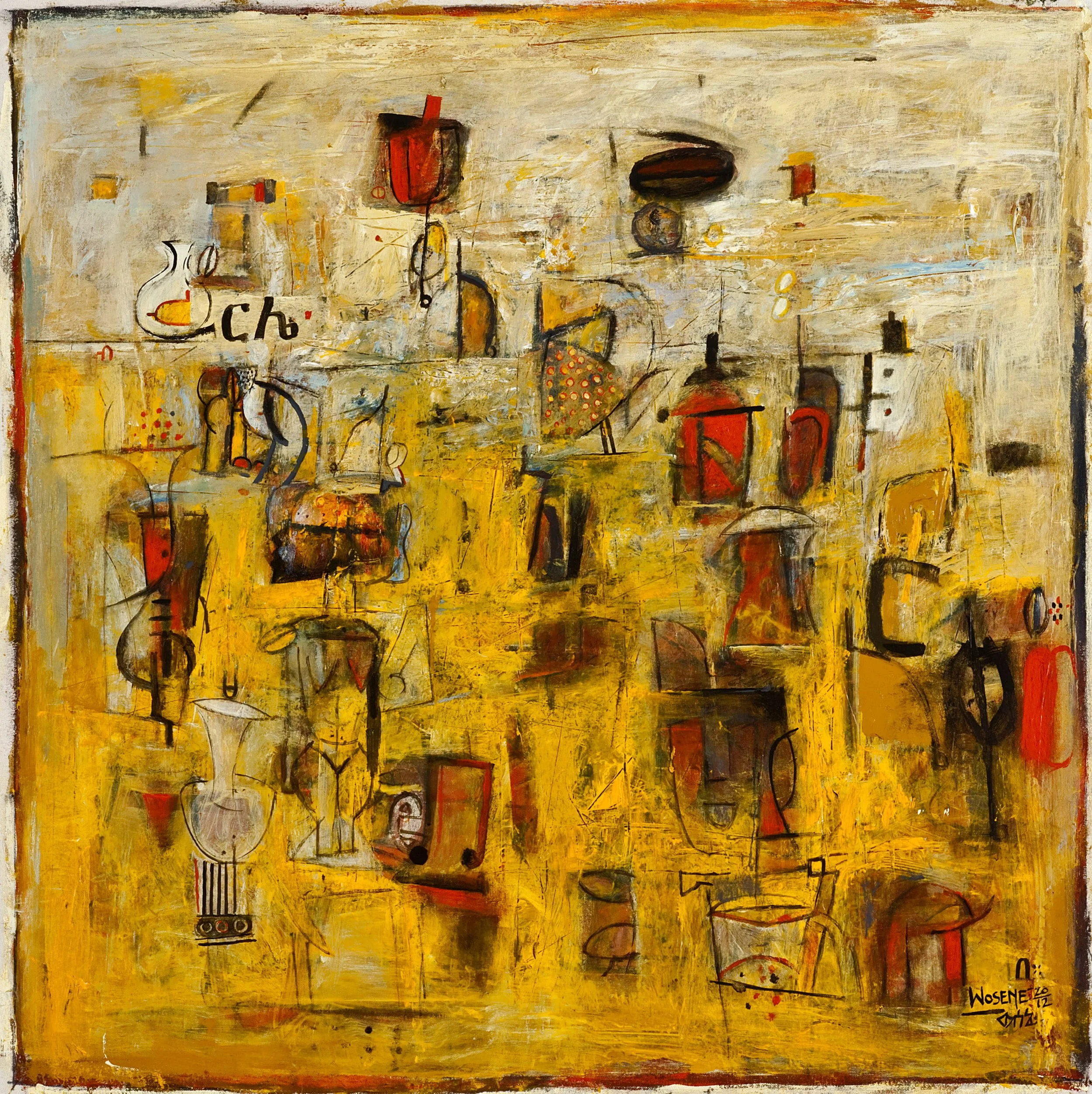
Coltrane’s Notebook, 2012, acrylic on canvas 32” x 32” (81.3 x 81.3 cm) Private collection
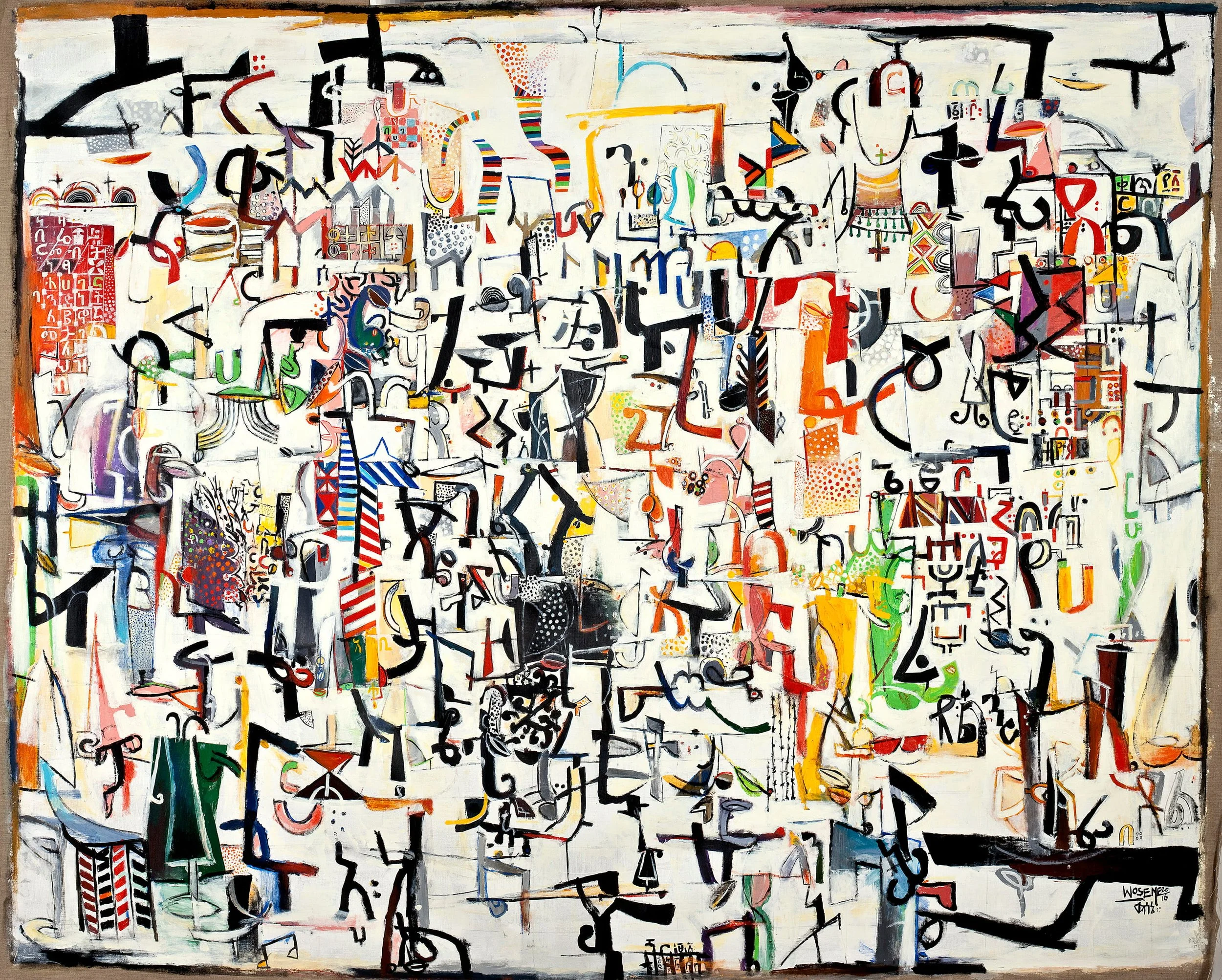
American Jazz, 2016, acrylic on canvas, 80” x 100” (203 x 254 cm) Private collection
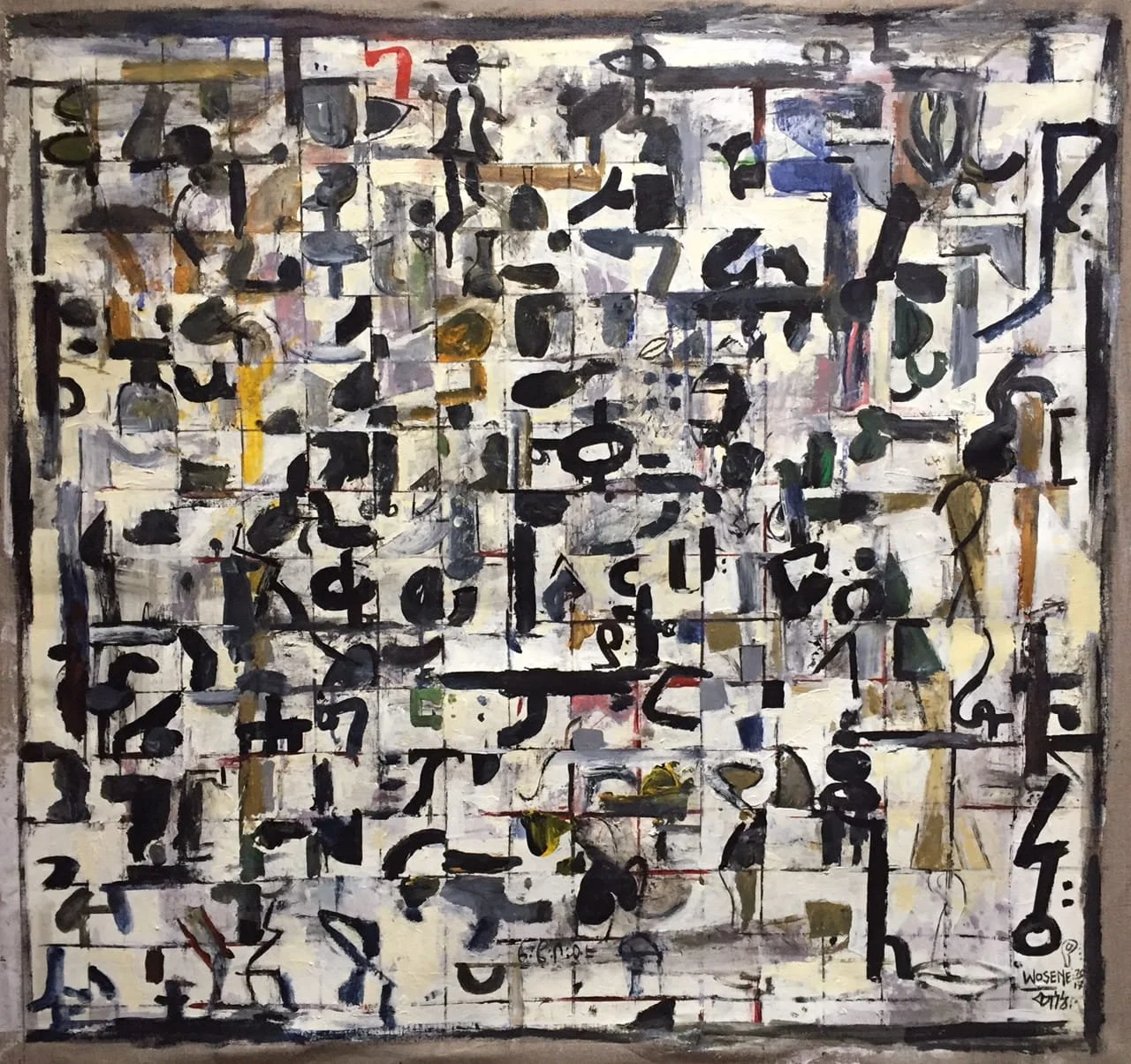
Speaking of Coltrane, 2017, acrylic on linen, Courtesy of Nakamura Keith Haring Collection, Kobuchizawa-Cho, Hokuto, JP
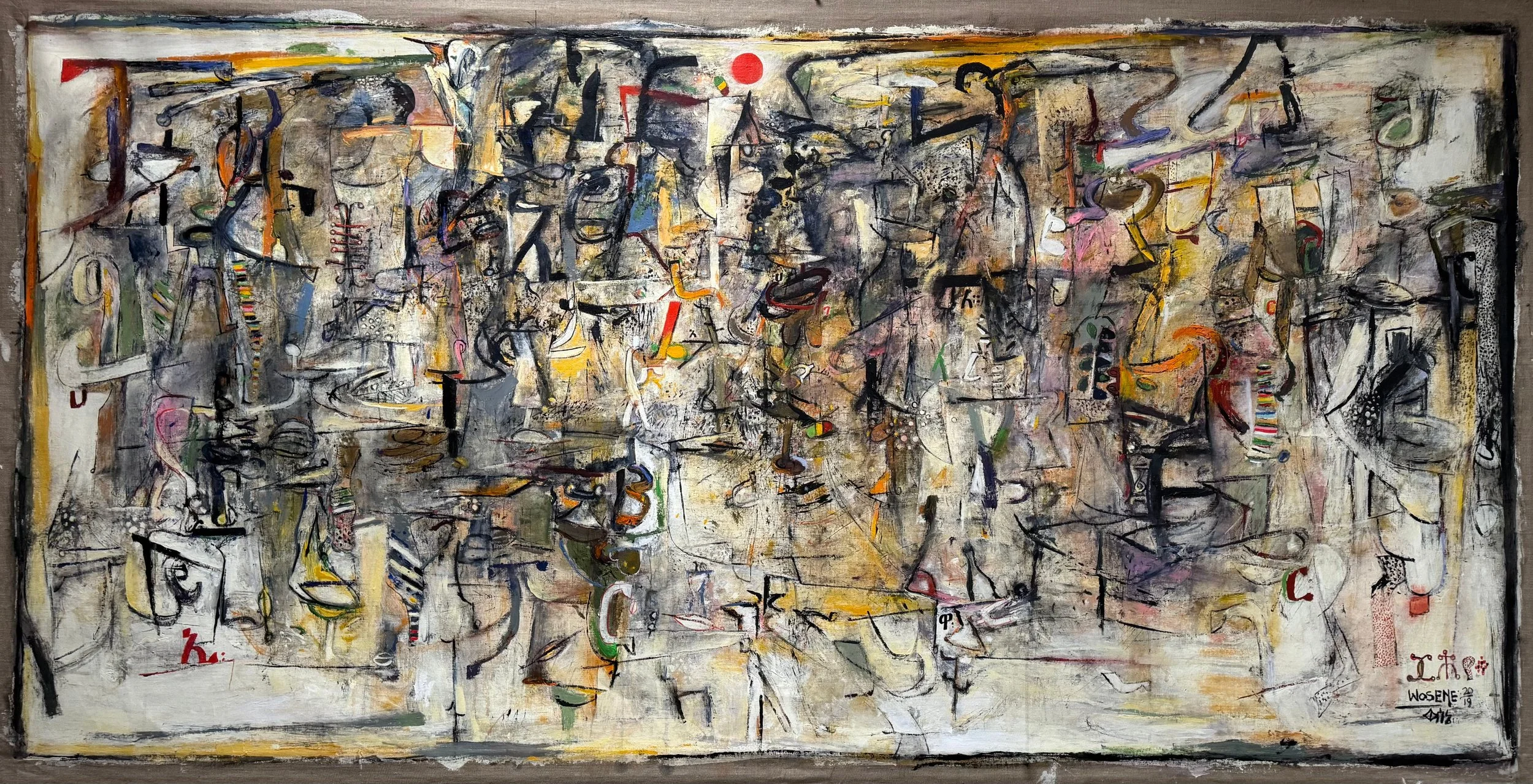
Midnight Improv VI, 2019, acrylic on linen, Private collection
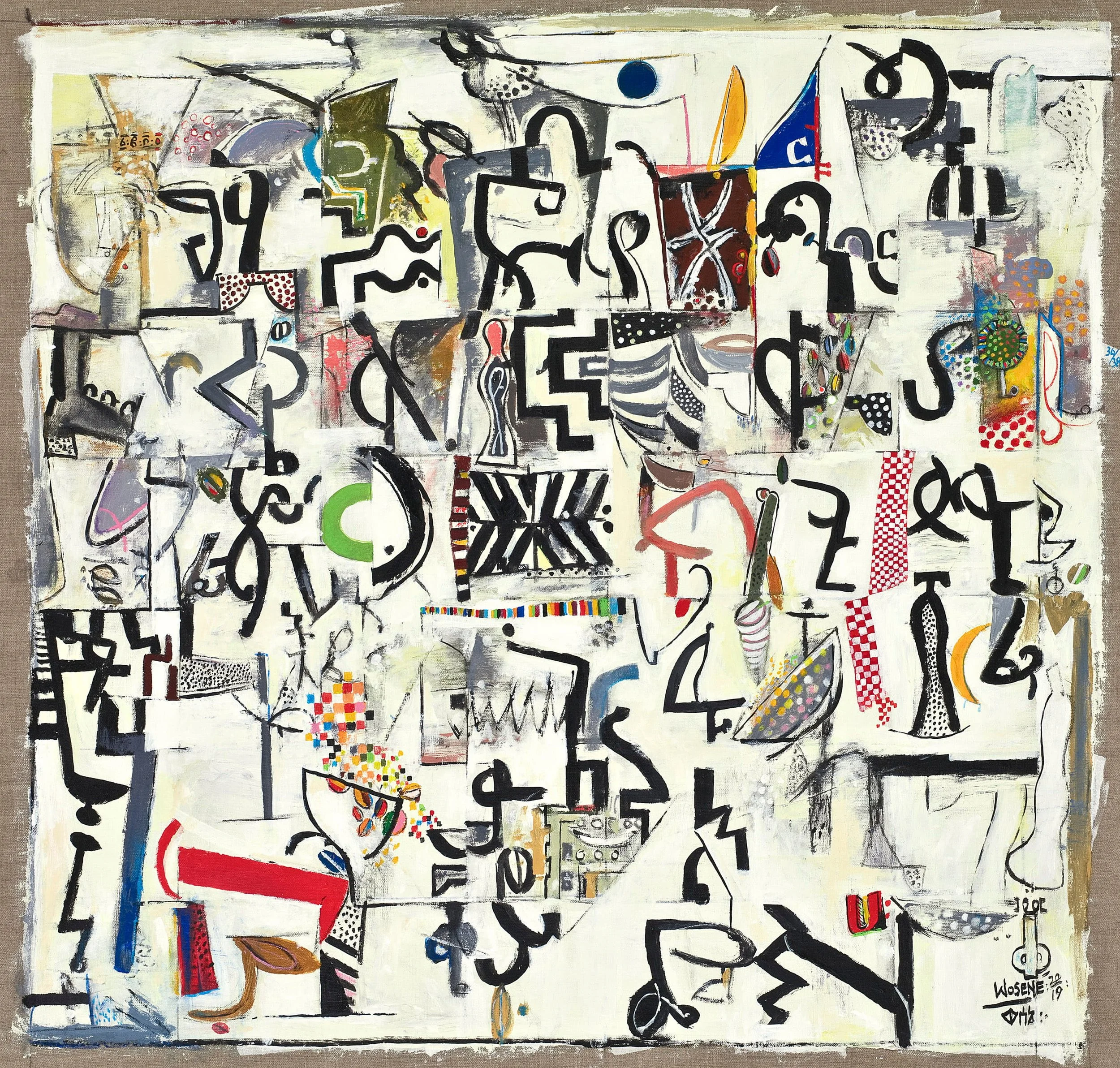
Coltrane, 2019, acrylic on linen, 38” x 36” (96.5 x 91.4 cm) Collection of the artist
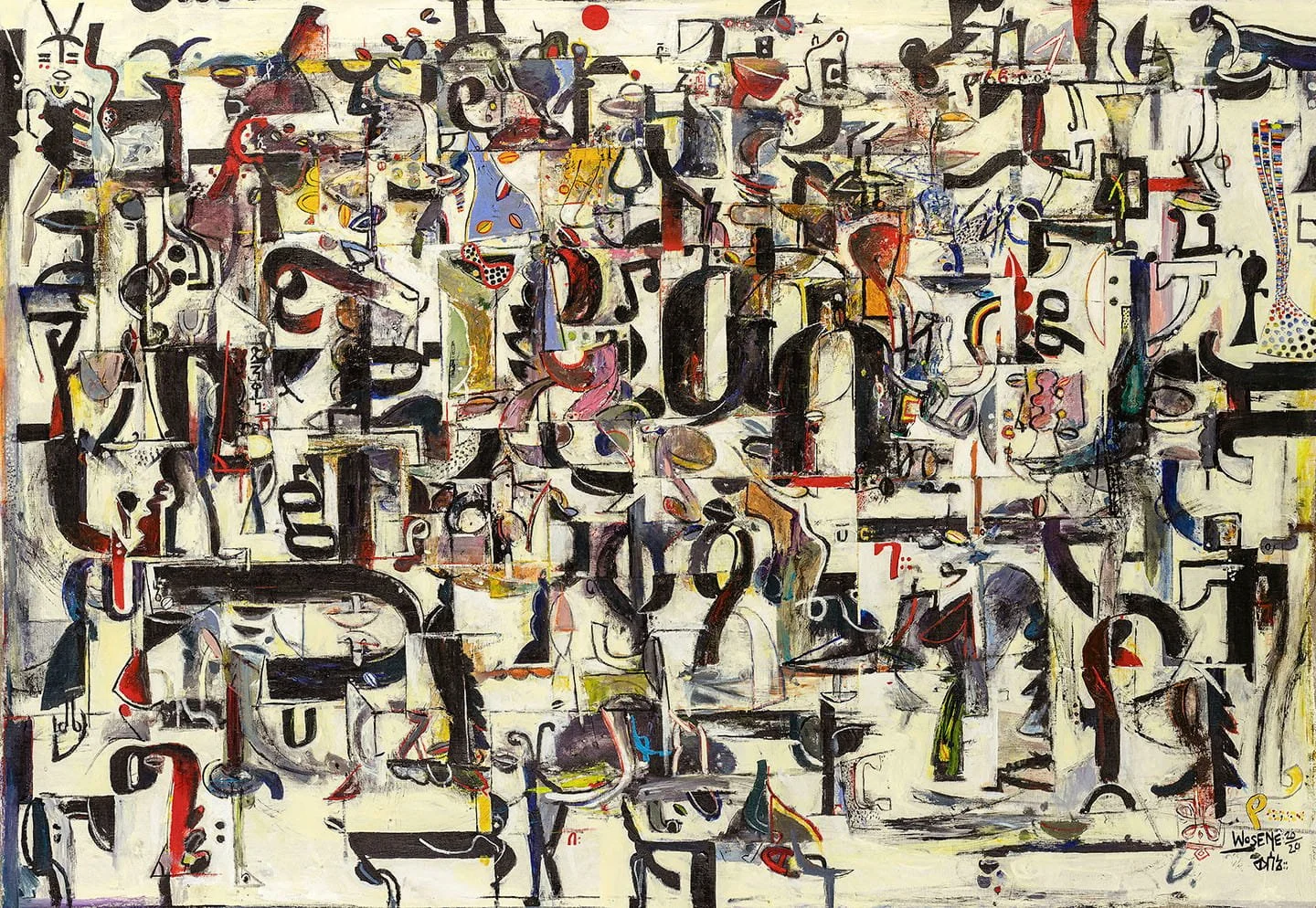
Elemental Coltrane II, 2020, acrylic on linen, 48” x 70” (101.6 x 177.8 cm) Private collection
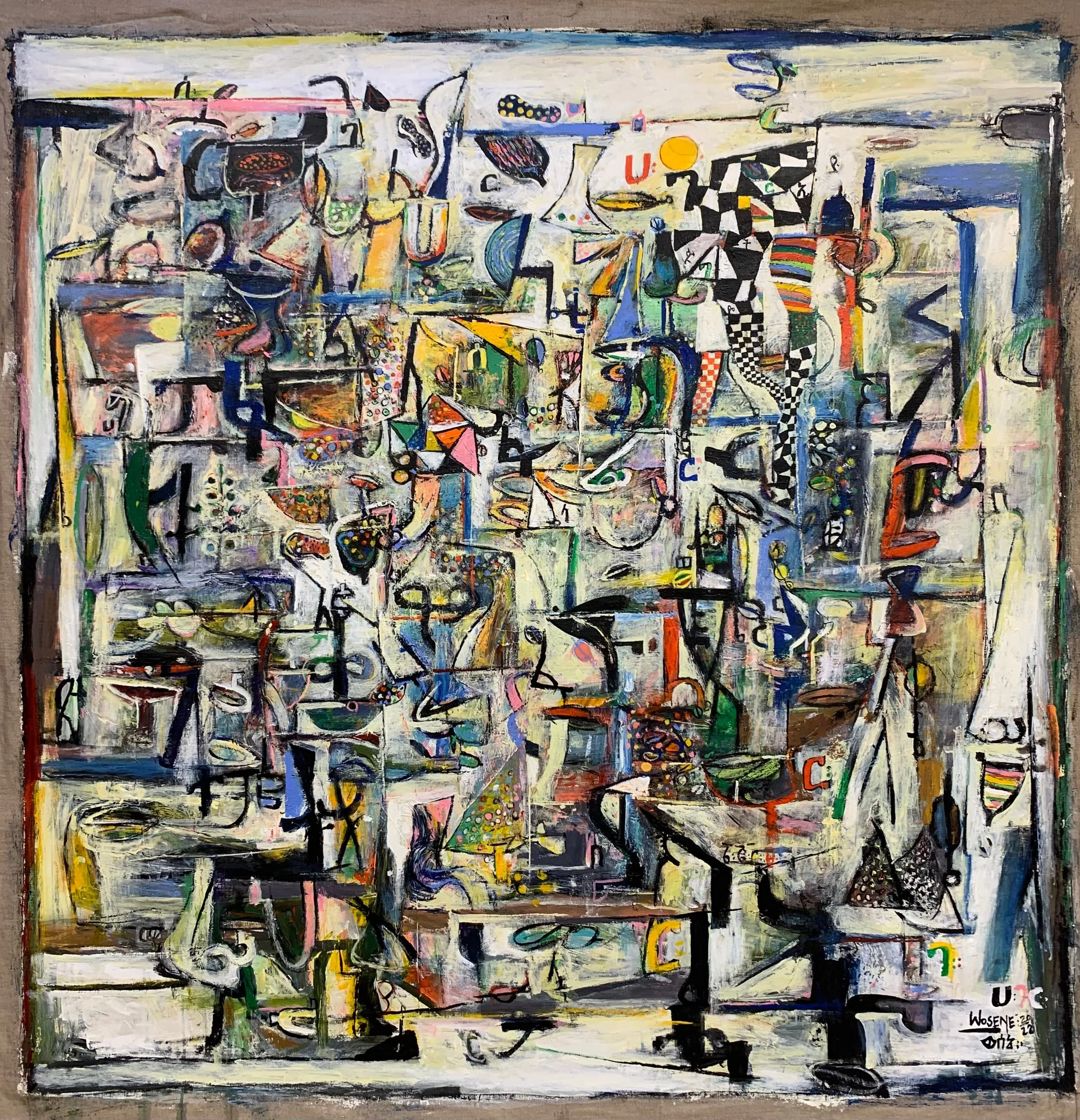
Heart of Music III, 2022, acrylic on linen 32” x 38” (81.3 x 96.5 cm) Courtesy of Winfield Gallery, Carmel, CA
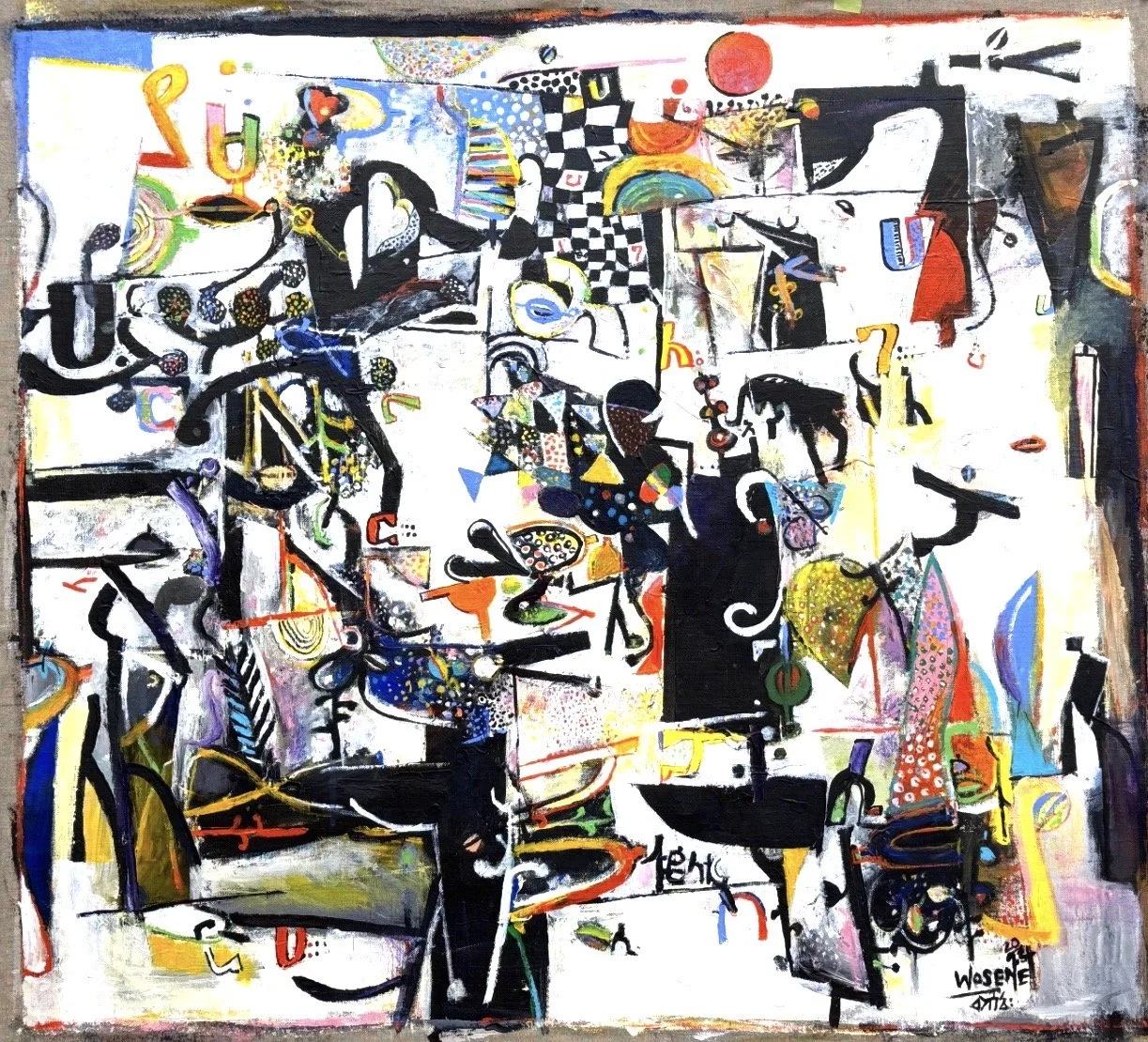
Blues Alley III, 2024, acrylic on linen, 28” x 32” (71 x 81.3 cm) Courtesy of Skoto Gallery, New York, NY
Jazz Garden
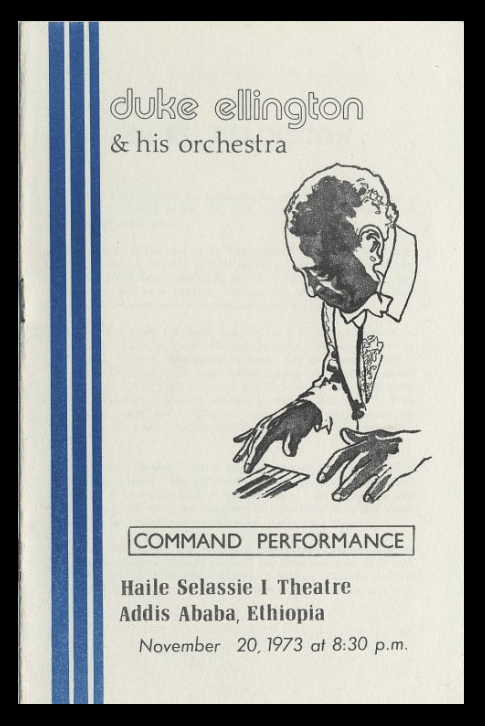
Concert Program for the Command Performance by Duke Ellington & His Orchestra, Haile Selassie I Theatre, Addis Ababa, Ethiopia November 20, 1973, at 8:30 p.m.
Duke Ellington Collection, Archives Center, National Museum of American History NMAH.AC.0301
Wosene comments that the 1960s music scene in Addis was alive with performances by Ethiopian musicians while radio waves beamed the latest American sounds. The elemental force of James Brown, the electrifying Godfather of Soul, really caught his ear.
Then came the moment American jazz opened a new sonic world for the young artist.
At the reception for his first solo exhibition early in 1973, the owner of the Belvedere Gallery (in Addis) played a Duke Ellington LP. Wosene had never heard anything like it and recalls being so captivated that he asked the gallery owner to borrow the record and he kept playing it over and over.
Starting in the mid-1950s, American jazz musicians were deployed across the world’s stages as cultural ambassadors in a US State Department Cold War campaign to build friendships. They attracted huge crowds wherever they went. In November 1973, the campaign reached Addis with a famous “Command Performance” by Duke Ellington & His Orchestra for Emperor Haile Selassie that Wosene was invited to attend. It was an auspicious opportunity.
From his double dose of the “King of Jazz,” Wosene became hooked by a new universe of sounds. After emigrating to the US in 1978, he had easy access to records and performances. While living in Washington, DC, as a graduate student at Howard University and for several years afterward, Wosene went to small clubs and was a regular at Blues Alley, one of the longest running jazz venues in the US. As Wosene comments, jazz has fundamentally influenced his thinking about painting.
Like jazz notes, the script forms provide a repertoire of dense yet supple elements that lend themselves to improvisation. Like jazz structure, each canvas, as the language symbols are juxtaposed in nonverbal WordPlays, develops a new vocabulary of its own.[1]
Some of the titles of Wosene’s paintings reveal his inspiration by jazz, such as Elemental Coltrane II, 2020, American Jazz, 2016, and The Jazz Garden, 2024, but the display of bravura and improvisation central to great jazz performance informs the spontaneous approach he takes in all his works.
[1] Excerpt from Wosene Worke Kosrof, “Live as a Canvas,” AGNI, no. 89 (2019): 139.